
Why Are US Consumers Worried About AI-Assisted Pricing? What Retailers Need to KnowThis is a title
Artificial intelligence is changing how retailers forecast demand, manage inventory and decide what products should cost. But as AI-assisted pricing becomes more common, many US consumers are asking a simple question: Is the price based on the product, or is it based on me?
That concern is growing as retailers introduce digital price tags, algorithmic pricing systems and other technologies that can change prices more efficiently.
Recent consumer research shows the trust gap is real. Morning Consult found that 59% of US adults consider price-gouging a major concern when thinking about AI-driven dynamic pricing. Meanwhile, YouGov reported that only 26% of Americans trust AI in retail, compared with 33% who say they do not.
The issue is not necessarily that consumers oppose AI. In fact, shoppers are increasingly comfortable using AI to compare products and prices. The problem is how much control AI should have over the prices they ultimately pay.
What Is AI-Assisted Pricing? This is a title
AI-assisted pricing refers to the use of artificial intelligence and algorithms to help retailers determine, recommend or adjust product prices.
These systems can analyse information such as:
Customer demand
Competitor prices
Inventory levels
Sales history
Seasonal trends
Promotions
Market conditions
Product availability
AI can then identify patterns and recommend a price that supports a retailer's business goals.
Importantly, AI-assisted pricing does not automatically mean that every shopper receives a different price. Dynamic pricing can simply mean that a retailer changes a price based on broader market conditions.
That distinction matters because consumers increasingly use terms such as dynamic pricing, algorithmic pricing and surveillance pricing interchangeably, even though they describe different practices.
Why Are Consumers Concerned About AI Pricing?
1. Consumers worry about personalised prices.
One of the biggest concerns is personalised pricing, where information about an individual or group could potentially influence the price or promotion they receive.
Consumers may worry that factors such as location, browsing behaviour or other personal information could result in them paying more than someone else.
This concern becomes stronger when retailers do not clearly explain what data their pricing systems use.
A 2025 FTC staff report found that intermediaries offering tools capable of tailoring prices and promotions worked with at least 250 clients, highlighting why personalised pricing has attracted regulatory attention.
2. Transparency is becoming a major issue.
Consumers generally understand why an airline ticket or hotel room might change in price. Grocery shopping feels different.
When someone sees the price of an everyday product change unexpectedly, they may want to know why it changed and whether everyone is seeing the same price.
If retailers cannot provide a clear answer, even legitimate pricing technology can create distrust.
3. Privacy concerns are closely connected to pricing.
AI systems can process large amounts of data. That raises questions about what information retailers collect and how that information is used.
Privacy is already one of the biggest concerns Americans have about AI more broadly. YouGov reported in October 2026 that 63% of US adults cited data privacy and security as a concern about AI use.
For retailers, this means pricing transparency and data transparency increasingly go hand in hand.
Dynamic Pricing vs. Personalised Pricing: What's the Difference? This is a title
These two concepts are often confused.
Dynamic pricing changes prices based on broader market factors such as supply, demand, inventory or competition.
Personalised pricing can use information connected to customers or groups of customers to determine different prices or offers.
For example, if a retailer lowers the price of a product because inventory is high, that is dynamic pricing. If a system determines a price based specifically on information about an individual shopper, that raises a different set of fairness and privacy concerns.
Current reporting suggests that frequent, individualised price changes are not the standard practice across grocery and general merchandise retail.
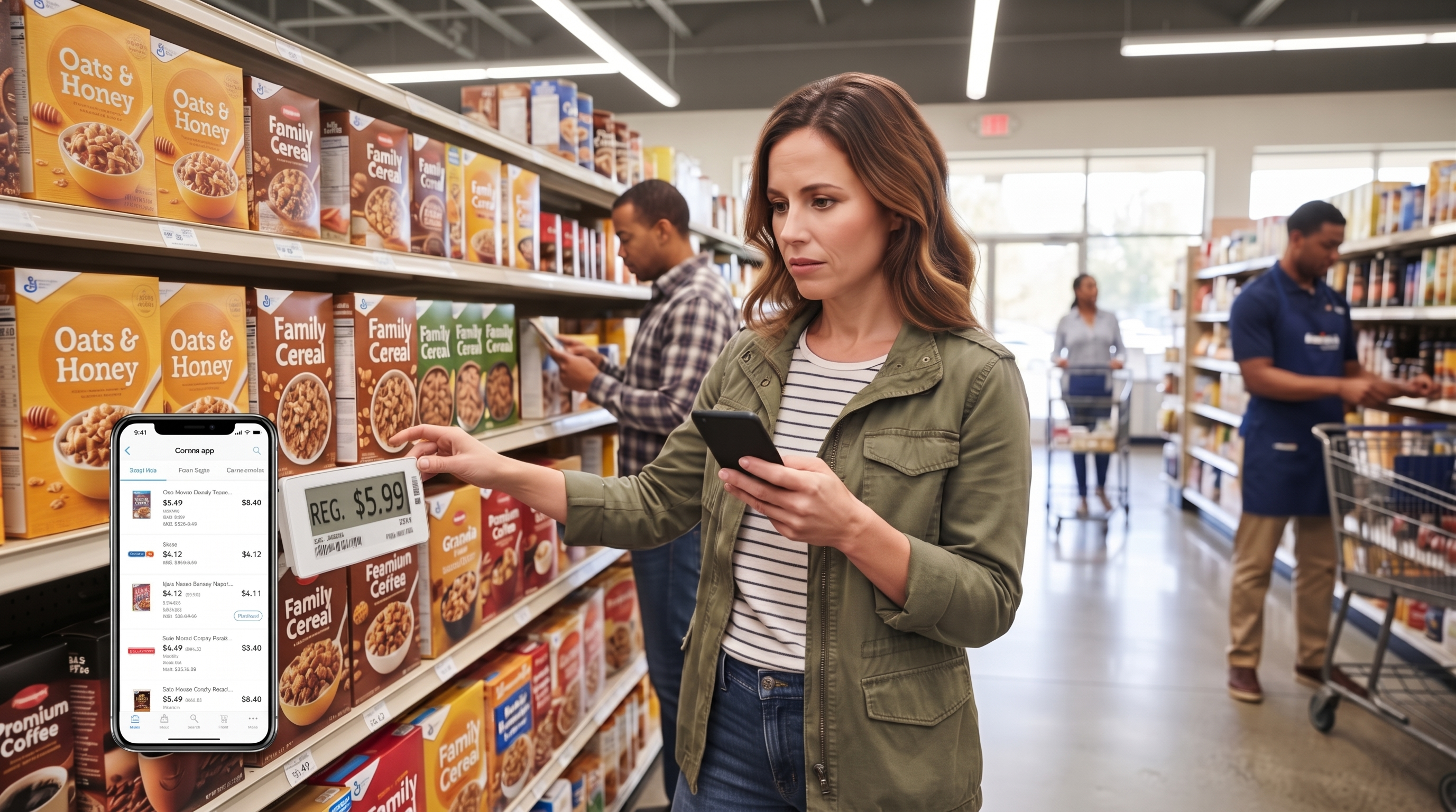
Are Digital Price Tags Making Consumers More Nervous?
Digital price tags are becoming more visible in US retail stores because they allow retailers to update prices electronically rather than manually replacing paper labels.
The technology itself does not automatically mean prices will change constantly.
However, digital labels make price changes technically easier, which has led some consumer advocates to question how retailers might use them in the future.
That perception creates an important challenge: retailers have to manage not only what their technology actually does but also what consumers believe it does.
What Retailers Need to Know About AI-Assisted Pricing
Retailers should not assume that better pricing technology automatically creates a better customer experience.
The bigger opportunity is to combine AI efficiency with clear consumer protections.
Be transparent about how pricing works
Retailers should explain in plain language whether AI is being used to recommend prices, forecast demand or adjust promotions.
Consumers do not necessarily need to understand the technical details of an algorithm. They do need to understand the basic reason behind a price.
Avoid unnecessary use of personal data.
Using customer data simply because it is available can create unnecessary trust and regulatory risks.
Retailers should carefully evaluate whether personal information is actually required for a pricing decision and establish clear limits around sensitive data.
Keep human oversight.
AI should support pricing teams rather than operate without meaningful controls.
Human review can help identify unusual price changes, unintended bias, technical errors and situations where an algorithm produces a commercially questionable result.
Make prices easy to understand.
If a price changes, customers should not have to investigate why.
Clear labels, consistent pricing policies and straightforward explanations can reduce confusion and prevent normal price adjustments from appearing deceptive.
Measure trust alongside revenue.
A pricing strategy should not be judged only by short-term margins.
Retailers should also monitor complaints, customer sentiment, repeat purchases and trust. A small improvement in revenue is unlikely to be worthwhile if it damages long-term customer loyalty.
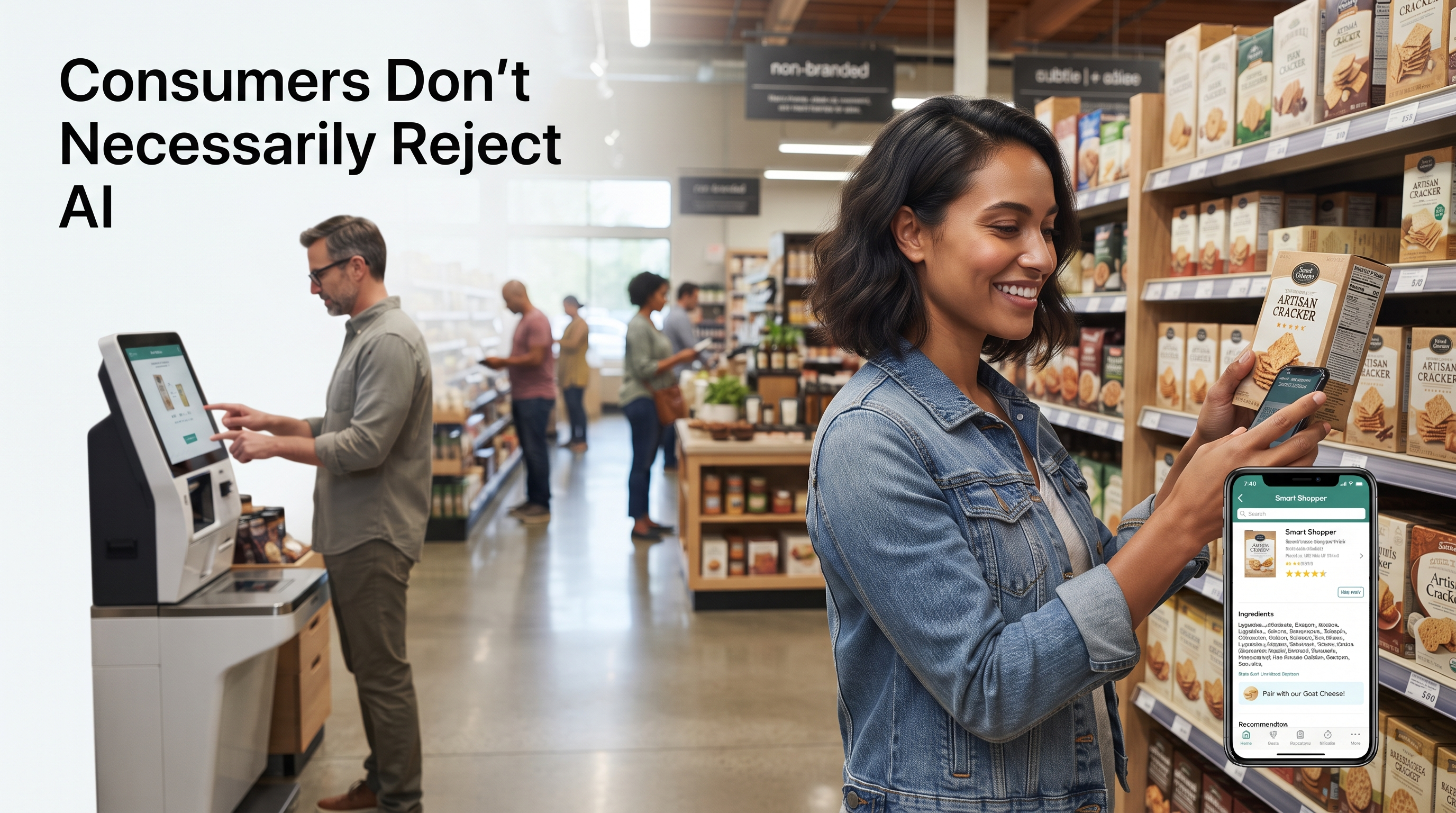
Consumers Don't Necessarily Reject AI
There is an important distinction between using AI to help shoppers and using AI to make decisions that shoppers feel are being made against them.
Gartner found that only 11% of US consumers surveyed were willing to let AI make purchase decisions, while consumers were considerably more comfortable with AI helping them research products, compare prices and narrow down options.
Another 2026 study found that 51% of US consumers had used at least one AI-powered tool for shopping in the previous month.
This suggests that the issue is not simply AI versus consumers.
The real issue is control, transparency and trust.
Consumers appear willing to use AI when it helps them find value. They become more cautious when they believe AI could determine what they pay without their knowledge.
The Future of AI Pricing Will Depend on Trust
AI-assisted pricing is likely to become an increasingly important part of retail operations. It can help businesses respond to demand, manage inventory and make pricing decisions faster.
But technology alone will not determine whether consumers accept it.
Retailers that clearly explain their pricing practices, limit unnecessary data use and maintain human oversight will be better positioned to build trust.
The strongest approach is simple: use AI to make pricing smarter, but make the customer experience more transparent, not more confusing.
Frequently Asked Questions About AI-Assisted Pricing
1. What is AI-assisted pricing in retail?
AI-assisted pricing uses artificial intelligence and algorithms to help retailers determine or recommend product prices. It can analyse demand, inventory, competitor pricing and other market signals to support pricing decisions.
2. Why are US consumers worried about AI-assisted pricing?
Consumers are mainly concerned about fairness, privacy and a lack of transparency. They may worry that AI could use personal information to influence the price they pay or make pricing decisions they cannot understand.
3. Does AI pricing mean every customer gets a different price?
No. AI pricing does not automatically mean individualised pricing. Retailers can use AI to adjust prices based on broader factors such as inventory, demand and competition without creating different prices for individual shoppers.
4. What is the difference between dynamic pricing and personalised pricing?
Dynamic pricing generally responds to market conditions such as supply and demand. Personalised pricing uses information associated with individual customers or groups to determine prices or offers, making privacy and fairness bigger concerns.
5. Can retailers legally use AI to set prices?
The legal landscape depends on how the technology is used and what consumer data is involved. Regulators and lawmakers are increasingly examining algorithmic and personalised pricing, so retailers need strong compliance, disclosure and data-governance practices.
6. Are digital price tags the same as AI pricing?
No. Digital price tags are simply electronic displays that allow retailers to update prices more easily. They can support AI-assisted or dynamic pricing, but having a digital shelf label does not mean that AI is automatically changing the price.
7. How can retailers build trust in AI pricing?
Retailers can build trust by explaining how their pricing systems work, limiting unnecessary personal-data use and providing clear information when prices change. Human oversight and regular audits can also help identify unfair or unexpected pricing outcomes.
8. Do consumers want AI to help them find better prices?
Yes, many consumers are comfortable using AI as a shopping assistant. Research indicates that shoppers are more receptive to AI that compares prices, finds deals and helps with research than AI that independently makes purchasing decisions. Type your paragraph here
Final Takeaway:
The growing concern around AI-assisted pricing is less about artificial intelligence itself and more about who controls the price, what data is being used and whether consumers can understand the decision.
For retailers, the message is clear: AI can improve pricing efficiency, but transparency should remain part of the product experience. As AI becomes more deeply integrated into retail, consumer trust could become just as important as pricing accuracy and profit margins.Type your paragraph here